
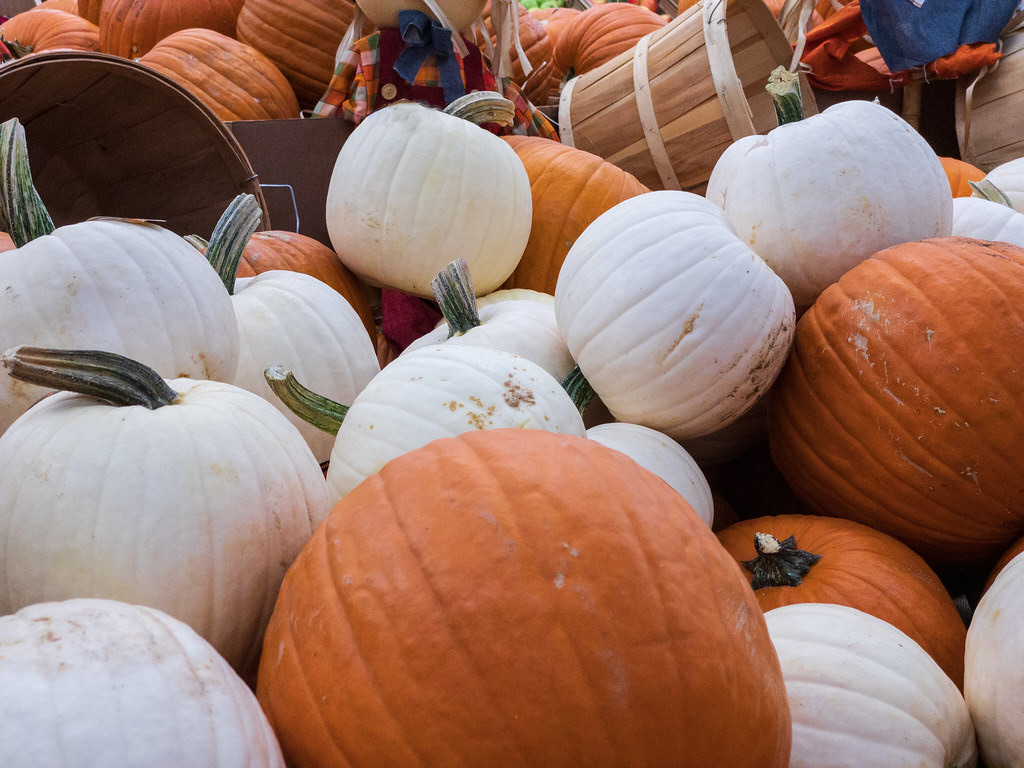
After Halloween, the best places for a pumpkin are the compost pile, a garden bed or a community pumpkin smash. Remove candles, wax and any paint or glitter first, and chop it up so it breaks down faster. Save the seeds if you want to grow your own, but know that seeds from hybrid pumpkins won’t come true.
A carved pumpkin has about a week of glory on the porch before it starts to slump. The good news is that nearly all of it can go back into the soil that grows the plants that come after it.
Can you compost pumpkins?
Yes, and they’re an easy addition. University of Illinois Extension recommends chopping pumpkins and gourds before adding them to the pile to speed things up.
- Clear it out. Take out candles, wax drips, stickers and anything plastic. Illinois Extension asks people to remove decorations, paint and other non-compostable materials before bringing pumpkins to its smash events. That’s a good rule for your own pile too.
- Break it into pieces. Smash or chop it into chunks. Smaller pieces break down faster.
- Mix with browns. Bury the pieces in the middle of the pile and cover with dry leaves, which are handy at this time of year.
- Skip painted or glittered pumpkins. Paint and glitter don’t belong in compost.
Can you bury a pumpkin in a garden bed?
You can. It’s called trench composting, and it’s a good fit for anyone without a compost bin. Nebraska Extension suggests a hole about 12 to 15 inches deep and 8 to 10 inches wide. Fill it with chopped pumpkin and backfill with at least 8 inches of soil. Depending on soil temperature and what’s in the trench, decomposition takes anywhere from one month to a year. That’s why burying pumpkins in an empty bed in November works well: by spring, the soil is richer for it.
Should I leave pumpkins out for wildlife?
It’s tempting, but think twice. The Illinois Department of Natural Resources doesn’t recommend feeding pumpkins to wildlife, according to Illinois Extension. Feeding can lead to damage complaints and can help spread disease, including chronic wasting disease in deer. Rules and advice vary by state, so check with your state wildlife agency before setting out a pumpkin buffet.
A better route for an intact, unpainted pumpkin: Illinois Extension notes that zoos and wildlife rehabilitation centers may accept donated pumpkins as food or enrichment. Call ahead to ask what they’ll accept.
How do I save pumpkin seeds for planting?
Seed saving takes a bit of patience, and a warning comes first. According to University of Maryland Extension, seed collected from F1 hybrid varieties won’t produce plants identical to the parent. Pumpkins, zucchini, acorn squash and yellow crookneck are all the same species, so they cross with one another. Seeds from a pumpkin grown near squash may surprise you. If your pumpkin was an open-pollinated or heirloom variety, you have a better chance of getting what you saved.
South Dakota State University Extension outlines the process:
- Scoop out the seeds and pulp into a container and add water.
- Ferment for 2 to 4 days at room temperature, stirring occasionally.
- Rinse and spread the seeds to dry on coffee filters, paper towels or screens.
- Store them somewhere cool and dry in envelopes or zip-top bags once completely dry. Most seed stays good for at least three to four years.
For seed saving, use a pumpkin you’ve just cut open rather than one that has been sitting out on the porch.
Your options at a glance
| Option | Best for | What to do | Watch out for |
|---|---|---|---|
| Compost | Anyone with a pile or bin | Remove wax and decorations, chop, mix with dry leaves | Paint and glitter don’t compost |
| Bury in a bed | No compost bin | Trench 12–15 in deep, cover with 8+ in of soil | Give it a season to break down |
| Pumpkin smash | Apartment dwellers | Look for a community event near you | Remove decorations first |
| Donate | Intact, undecorated pumpkins | Call a zoo or wildlife rehab center first | Ask what they accept |
| Save seeds | Open-pollinated or heirloom pumpkins | Ferment, rinse, dry, store cool | Hybrid seeds won’t come true |
Where do pumpkins fit in a houseplant life?
More closely than you’d think. Finished compost is the dark, crumbly stuff that makes a good potting mix better. A pumpkin composted in November becomes part of the soil you work with come spring. Our Spring Repot Ritual covers what goes into the pot when that time comes.
In the meantime, if the porch pumpkins were part of a moodier Halloween setup, our spooky houseplants roundup has the indoor plants to keep the season going. And if a mushroom has appeared in one of your pots now that the air has turned damp, here’s what that means.
FAQ
How long does a pumpkin take to compost?
Chopped pumpkin breaks down quickly in an active pile. In a buried trench, Nebraska Extension says decomposition takes one month to a year, depending on soil temperature and what’s in the trench.
Can I compost a painted pumpkin?
No. Remove paint, glitter, wax and stickers before composting, or put decorated pumpkins in the trash.
Is it OK to leave old pumpkins out for deer and squirrels?
The Illinois Department of Natural Resources advises against feeding pumpkins to wildlife because of damage complaints and disease spread. Check your own state’s guidance.
Will seeds from a store-bought pumpkin grow?
They may sprout, but seeds from hybrid pumpkins won’t grow true to the parent, and pumpkins cross readily with squash. For predictable results, save seeds from an open-pollinated or heirloom variety.