
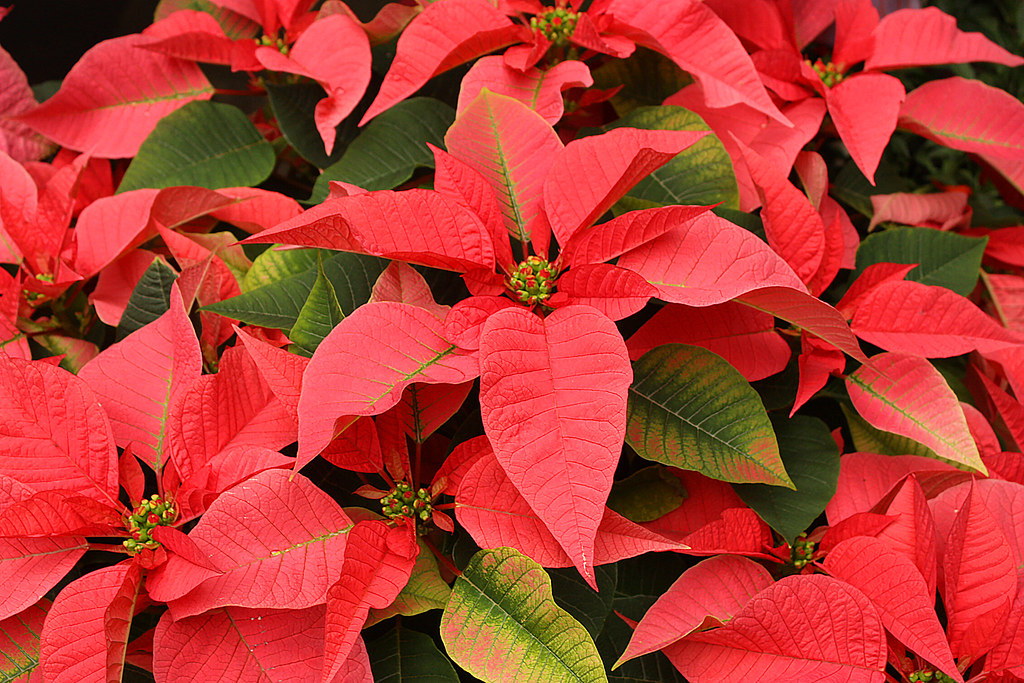
Some are and some aren’t. The ASPCA lists Christmas cactus, Norfolk Island pine, rosemary and African violets as non-toxic to cats and dogs. Poinsettias irritate more than they poison. Amaryllis, paperwhites, mistletoe, holly, cyclamen and kalanchoe are toxic, and lilies can cause kidney failure in cats.
That’s the short version. Below is the whole table, plant by plant, with where each one can safely live in a house with animals. Every status comes from the ASPCA’s toxic and non-toxic plant database, published by its Animal Poison Control Center.
Which holiday plants are toxic to cats and dogs?
| Plant | ASPCA listing (cats and dogs) | What it can cause | Where it can live |
|---|---|---|---|
| Poinsettia | Toxic, “generally over-rated in toxicity” | Irritated mouth and stomach, sometimes vomiting | A table or shelf pets don’t patrol |
| Christmas cactus | Non-toxic | Nothing listed | Anywhere with bright light |
| Amaryllis | Toxic | Vomiting, depression, diarrhea, abdominal pain, drooling, loss of appetite, tremors | Up high, bulb and all |
| Paperwhite (narcissus) | Toxic; the bulbs are the most poisonous part | Vomiting, drooling, diarrhea; large amounts can cause convulsions, low blood pressure, tremors and heart arrhythmias | Out of reach, forcing dish included |
| Mistletoe (American) | Toxic | Vomiting, diarrhea; rarely low blood pressure, trouble breathing, slow heart rate | Hung well above jumping height, or swapped for faux |
| Holly | Toxic; leaves and berries are low toxicity | Vomiting, diarrhea, depression | Off low tables and mantels within reach |
| Cyclamen | Toxic; the tubers are the most dangerous part | Drooling, vomiting, diarrhea; large tuber ingestions can cause heart rhythm problems, seizures and death | A room pets can’t get into |
| Kalanchoe | Toxic | Vomiting, diarrhea, abnormal heart rhythm (rare) | Up high |
| Lilies (Easter lily and relatives) | Toxic to cats; listed non-toxic to dogs | In cats: vomiting, loss of appetite, lethargy, kidney failure; death is possible | Not in a home with cats |
| Norfolk Island pine | Non-toxic (listed as Australian pine) | Nothing listed | Anywhere with good light |
| Rosemary | Non-toxic | Nothing listed | A sunny sill |
| African violet | Non-toxic | Nothing listed | Anywhere with bright, soft light |
A note on “non-toxic”: it means the plant isn’t poisonous, not that it’s a snack. A cat that eats a mouthful of anything leafy can still bring it back up on the rug.
How toxic is a poinsettia, really?
Less than its reputation. The ASPCA lists poinsettia as toxic because the milky sap irritates the mouth and stomach, then adds in the same breath that it is “generally over-rated in toxicity.” Pet Poison Helpline calls it “only mildly toxic to cats and dogs.” The usual signs are drooling, lip-licking, vomiting or diarrhea, and some skin or eye irritation where the sap touched.
So a poinsettia doesn’t need banishing, just a sensible spot: a dining table the dog can’t reach, or a shelf the cat has no interest in. Our holiday plant field guide covers how to keep one looking good through the season.
Which holiday plants are safe for homes with cats?
If you’d rather not think about it at all, start with the plants the ASPCA lists as non-toxic to cats and dogs:
- Christmas cactus. The classic flowering holiday plant on the non-toxic list. Our guides to getting one to bloom and telling it apart from a Thanksgiving cactus will keep it happy.
- Rosemary. A potted rosemary trimmed into a little tree is festive, fragrant and safe. Keeping it alive indoors is the real challenge.
- Norfolk Island pine. A soft, tiered houseplant that takes a few light ornaments.
- African violet. Small, cheerful, and happy on a bright windowsill.
These also make the easiest gifts for friends with pets, because nobody has to ask.
Where should toxic holiday plants go?
You don’t have to skip amaryllis or paperwhites. Just place them with the animals in mind:
- Go up, not just back. Cats climb, so a high shelf beats the back of a low table. Hanging planters are even better.
- Mind the bulbs. With paperwhites, the ASPCA names the bulbs as the most poisonous part. A shallow forcing dish of pebbles and bulbs is exactly the kind of thing a dog noses into. Keep it high while you force paperwhites or plant an amaryllis.
- Check bouquets for lilies. Holiday arrangements sometimes tuck lilies in among the greenery. With cats in the house, pull them out or pass the bouquet along.
- Sweep up the drops. Fallen holly berries, dropped mistletoe and spent petals end up on the floor, which is where pets find them.
- Close a door. A guest room or a sunny spare room can hold the plants you’re not sure about until the decorations come down.
What should you do if your pet eats a holiday plant?
Call your veterinarian or the ASPCA Animal Poison Control Center at (888) 426-4435. That number is printed on every plant page in the ASPCA database. Know the plant’s name, or take a photo of it, and estimate how much is missing. Don’t wait for symptoms with the plants the table marks as serious, above all lilies with cats and cyclamen tubers with anyone.
FAQ
Is a Christmas cactus safe for cats?
Yes. The ASPCA lists Christmas cactus as non-toxic to cats, dogs and horses. It’s one of the safest flowering holiday plants to bring home.
Are poinsettias poisonous to cats and dogs?
Mildly. The sap irritates the mouth and stomach and can cause vomiting, but the ASPCA calls poinsettias “generally over-rated in toxicity,” and Pet Poison Helpline calls them “only mildly toxic.”
Is mistletoe poisonous to dogs?
Yes. American mistletoe is listed as toxic to dogs, cats and horses, with vomiting and diarrhea as the common signs. Hang it high or use a faux sprig.
Are lilies in holiday bouquets dangerous to cats?
Yes, seriously so. The ASPCA notes that cats are the only species known to be affected by Easter lilies, and that kidney failure and death are possible. Keep lilies out of any home with a cat.