
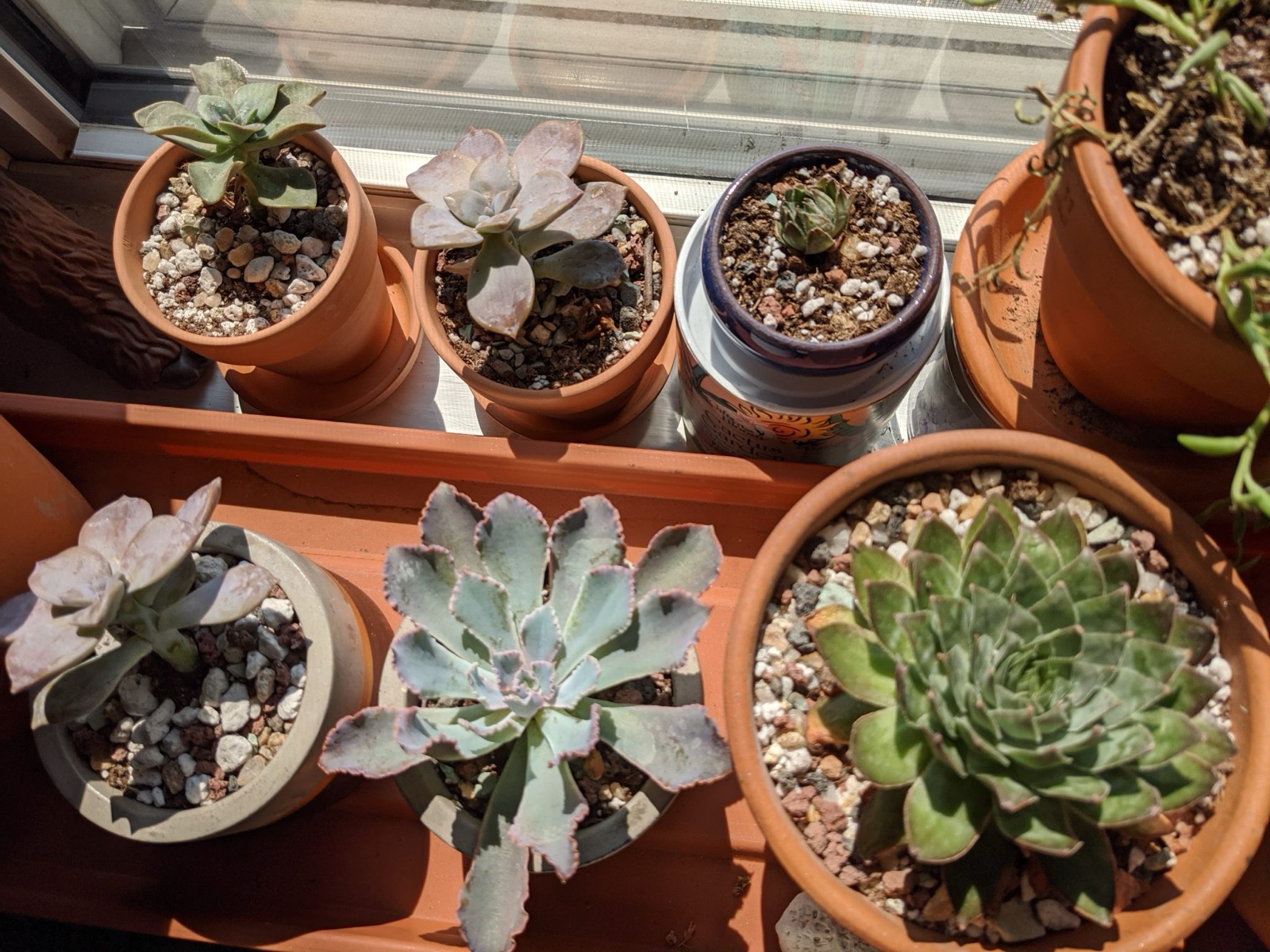
Bring houseplants inside when nighttime temperatures start dipping consistently into the 50s°F. Tropical plants take damage in the mid-40s. Before they cross the threshold, give every plant a shade transition, a rinse, a pot scrub and a soak. Then keep them apart from the rest of your collection for three to four weeks.
That’s the whole ritual. The rest of this guide is the why, the order to do it in, and how to keep the move from turning into a season-long fight with mealybugs.
When should you bring houseplants inside?
Watch the overnight lows, not the calendar. Iowa State’s Yard and Garden team advises moving houseplants back indoors when nighttime temperatures dip consistently into the 50s°F. It notes that most tropical houseplants suffer damage in the mid-to-lower 40s and die below freezing.
Kansas State’s extension guide, Bringing Houseplants Inside for Winter, draws the line in two places:
- Tropicals and succulents: avoid nights below 50°F.
- Tougher plants: no less than 40°F.
It also suggests planning a few weeks ahead of the cold, because plants prefer a slow transition. If a freeze sneaks into the forecast early, it says it’s better to bring plants in for the night than risk a hard frost.
How do you ease plants back indoors?
A sunny porch and a living room are two very different places. The same K-State guide recommends a gradual move:
- Start in the shade. Move plants to the shadiest part of the yard, deck or patio first, so they begin adjusting to lower light.
- Ease off water and fertilizer while they’re in the shade. Plants drink far less in shade and indoors than in summer sun.
- Prepare their indoor spot. Clean the glass inside and out to let in every bit of light, and keep plants out from under heating and cooling vents.
If you’re not sure which window suits which plant, our guide to reading the light by window direction walks through north, south, east and west.
How do you debug plants before bringing them inside?
This is the part that saves your other plants. Do it outdoors, one plant at a time:
- Inspect closely. Check the undersides of leaves, the leaf joints and the stems for insects. K-State notes that badly diseased or infested plants may be better off in the trash than indoors with everything else.
- Tidy, don’t prune. Remove broken or dead branches, but avoid pruning; the same guide notes it encourages new growth.
- Rinse the foliage. Spray leaves with a jet of water, gently on tender plants. Iowa State suggests rinsing all the foliage while the plant is still outside.
- Scrub the pots. Clean the outside of every pot, including the lip, where small insects like to hide.
- Soak the pot. Set each pot in a bucket of warm water up to the lip for 15 minutes to drown or drive out insects hiding in the soil, then let it drain completely.
- Check the roots. Slide the plant out. If you see lots of roots circling the edge of the pot, it’s rootbound. The Brooklyn Botanic Garden goes further and recommends repotting plants that summered outdoors to avoid a pest infestation.
- Let it dry, then quarantine. Let foliage dry completely before it comes in. Then keep it isolated from your other houseplants for 3 to 4 weeks and watch for scale, mealybugs and aphids (Iowa State).
The root check is where soil ends up everywhere. We do ours on the Botanical Potting Mat, which works as a debugging station: tip the plant out, shake off loose soil, look at the roots, and fold the mess into the bin. Our guide to repotting without making a mess has more containment tricks.
The checklist at a glance
| Step | What you’re looking for | Why |
|---|---|---|
| Watch the lows | Nights consistently in the 50s°F | Tropicals take damage in the mid-40s |
| Shade first | A few weeks in a shadier spot | Eases the drop in light |
| Inspect and tidy | Insects, broken or dead stems | Stops pests at the door |
| Rinse and scrub | Clean leaves and pot rims | Removes hitchhikers |
| Soak 15 minutes | Warm water up to the pot’s lip | Drives insects out of the soil |
| Root check | Circling roots | Rootbound plants may need a new pot |
| Quarantine | 3 to 4 weeks apart from the rest | Time for hidden pests to show |
What changes once they’re inside?
Almost everything slows down.
- Water less. Nebraska Extension notes that a plant needing water once a day outside in July and August may only need it once a week or less in the house during winter. Water when the soil tells you to, not on the old summer schedule. Our houseplant watering guide covers the finger test.
- Stop feeding. Iowa State advises you to stop fertilizing in fall and winter, because plants aren’t actively growing.
- Give them the brightest spot you’ve got. A plant that lived in dappled patio light will find most windows dim by comparison. If your windows are shaded, our list of the best low-light indoor plants shows which ones cope best.
Expect a few dropped leaves. The same Nebraska Extension article calls leaf drop a common occurrence after plants come back indoors, as they adjust to much lower light, and says the brightest possible spot (or supplemental light) should reduce it. Keep an eye out for pests during quarantine rather than panicking over a leaf or two.
FAQ
How long should I quarantine plants after bringing them inside?
Iowa State recommends keeping them isolated from your other houseplants for 3 to 4 weeks, which is long enough for most hidden pests to show themselves.
Can I bring in a plant that has pests?
You can try, but do the full rinse, scrub and soak first and keep it well away from other plants. K-State’s guide is blunt that heavily infested plants may be better off discarded, since bringing them in risks everything else.
Should I repot plants when I bring them inside?
Check the roots either way. If they’re circling the pot, or the soil may be carrying pests, the Brooklyn Botanic Garden recommends repotting plants coming back indoors. Otherwise, a routine repot can wait for spring.
What if frost is forecast before I’m ready?
Bring the plants in for the night. K-State notes it’s better to move them indoors temporarily than risk damage from a sudden hard frost. You can finish the debugging steps when the weather allows.